

The Ultimate Uganda Safari Travel Guide (2026–2027): Everything You Need to Know Before Visiting Uganda
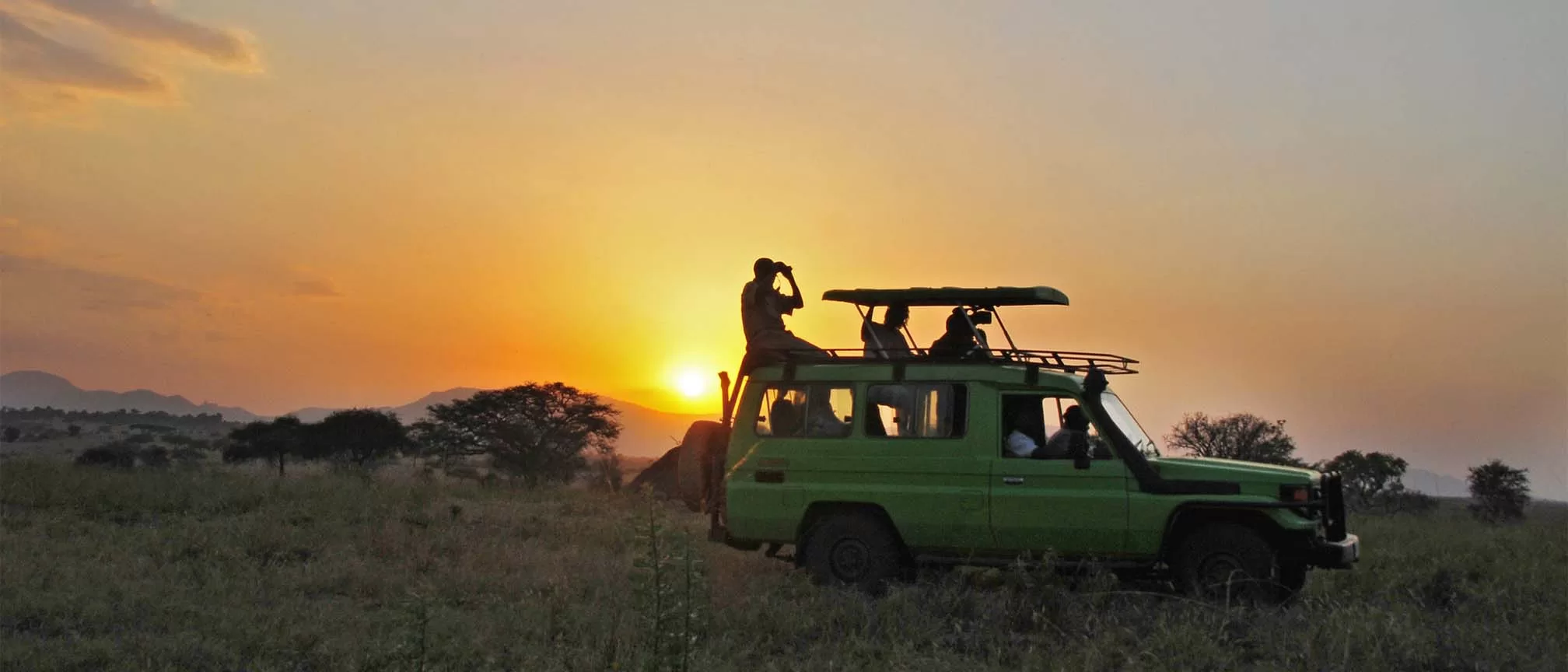 Uganda’s national parks pack rainforest, savannah, wetland and volcanic scenery into one compact, endlessly rewarding safari country.
There’s a reason people who have safaried across the whole continent still say Uganda is the trip that stayed with them the longest. Maybe it’s the hour spent sitting three metres from a 180-kilogram silverback gorilla as he ignores you completely to keep eating bamboo shoots. Maybe it’s the tree-climbing lions of Ishasha, draped over fig branches like they’re auditioning for a nature documentary. Or maybe it’s simply the pace of a country that hasn’t been fully discovered yet, where you can watch the sun rise over the Nile without another vehicle in sight.
This guide exists to answer, honestly and in detail, every question you have before booking a Uganda safari — from what gorilla trekking permits cost in 2026/2027, to which national park suits your travel style, to whether Uganda is currently safe to visit. We’ve built it as a working reference: bookmark it, come back to it while you plan, and use the jump links below to skip straight to what you need.
This is written by Certified Safaris Uganda, a Kampala-based, licensed Ugandan tour operator (UTB licence UTB/RTT/TT/2023/100909). Everything here reflects current 2026 permit pricing, entry requirements, and on-the-ground conditions, cross-checked against official sources including the Uganda Wildlife Authority, Uganda’s immigration portal, and international health and travel advisories — because a “2026–2027 guide” that quotes 2023 prices isn’t actually helpful to anyone.
Quick Navigation
- Why Visit Uganda
- Where is Uganda?
- Is Uganda Safe?
- Best Time to Visit
- Uganda Climate
- National Parks
- Gorilla Trekking Guide
- Chimpanzee Tracking
- Big Five Safaris
- Wildlife Guide
- Birdwatching
- Adventure Activities
- Cultural Experiences
- Luxury / Mid-Range / Budget Safaris
- Family, Honeymoon & Solo Travel
- Photography Tours
- Packing List
- Visa Requirements
- Health & Vaccinations
- Currency & Payments
- Transportation
- Internet & SIM Cards
- Food & Cuisine
- Responsible Tourism
- Sample Itineraries (3–14 Days)
- FAQs
- Why Book With Certified Safaris Uganda
Why Visit Uganda
Winston Churchill called Uganda “the Pearl of Africa” after his 1907 journey through it, and more than a century later the name has only become more fitting. What makes Uganda different from the rest of the East Africa safari map isn’t one single attraction — it’s that it fits an entire continent’s worth of landscapes and wildlife into an area smaller than the United Kingdom.
Here’s what that actually means for your trip:
- You can trek mountain gorillas. Uganda holds more than half of the world’s remaining wild mountain gorillas, split between Bwindi Impenetrable National Park and Mgahinga Gorilla National Park. This isn’t a “maybe you’ll see one” activity — it’s a near-guaranteed, hour-long encounter with a habituated family, and it’s the single most requested item on every serious Africa bucket list.
- It’s the primate capital of the world. Beyond gorillas, Uganda has chimpanzees (Kibale National Park has the highest chimp density in East Africa), golden monkeys, and eleven other primate species — more primate diversity than almost anywhere else on the planet.
- It’s genuinely excellent value. A Uganda gorilla permit costs roughly half what the equivalent permit costs in Rwanda, and a full Uganda safari package — permits, lodging, guide, transport — typically runs noticeably cheaper than a comparable Kenya or Tanzania itinerary, without sacrificing quality.
- The Nile starts here. Jinja, on the shores of Lake Victoria, is the source of the world’s longest river, and the stretch of Nile below Murchison Falls delivers some of the most dramatic scenery — and best white-water rafting — in Africa.
- It’s a serious Big Five and wildlife safari destination, not just a primate one. Queen Elizabeth National Park and Murchison Falls National Park deliver classic savannah game drives, boat cruises thick with hippos and crocodiles, and (as you’ll read below) an exciting new rhino chapter unfolding in Kidepo Valley.
- Birders consider it one of the best countries on Earth. Over 1,000 recorded bird species — more than 11% of the world’s total — packed into a country the size of Great Britain.
- It’s still refreshingly uncrowded. You won’t find the vehicle pile-ups around a single lion sighting that you sometimes see in the Masai Mara or Serengeti. Uganda’s parks are quieter, and the experience feels more personal because of it.
- The culture is as rich as the wildlife. From the Batwa forest communities around Bwindi to the pastoralist Karamojong of the northeast and the historic Buganda Kingdom in Kampala, Uganda’s cultural depth rewards travelers who want more than a wildlife checklist.
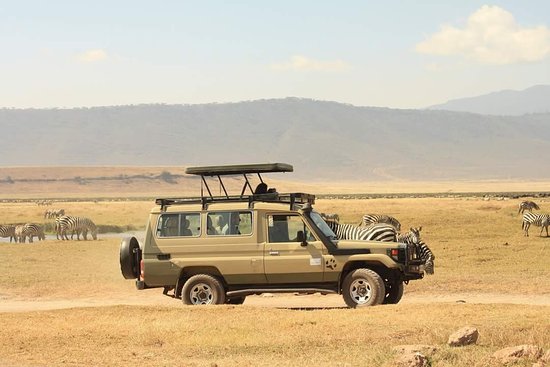 Elephants on the move through Uganda’s savannah — a common sight in Murchison Falls and Queen Elizabeth National Parks.
Whether you’re drawn by gorilla trekking, the birding, the adventure sports around Jinja, or simply the idea of a safari that doesn’t feel like everyone else’s Instagram feed, Uganda rewards travelers who want a deeper, less scripted version of an African wildlife safari. The rest of this guide will help you work out exactly how to plan it.
Where is Uganda?
Uganda sits in East Africa, straddling the equator, landlocked between five countries: Kenya to the east, South Sudan to the north, the Democratic Republic of the Congo to the west, Rwanda to the southwest, and Tanzania to the south (across Lake Victoria). It’s part of the East African Community (EAC), alongside Kenya, Tanzania, Rwanda, Burundi, South Sudan and the DRC.
A few orientation points that matter for trip planning:
- Capital: Kampala — Uganda’s political and commercial hub, and where most safaris begin and end.
- Main airport: Entebbe International Airport (EBB), about 40 km south of Kampala on the shores of Lake Victoria. This is where almost every international visitor arrives.
- Size: Roughly 241,000 km² — a little smaller than the United Kingdom, or about the size of the US state of Oregon. Because it’s compact, you can realistically combine several very different landscapes (rainforest, savannah, mountains, wetlands) in a single trip without excessive driving.
- The equator: Uganda is one of the few countries where you can literally stand on the equator — there’s a marked crossing point at Kayabwe on the Kampala–Mbarara highway, a popular photo stop en route to the southwestern parks.
- Lake Victoria: Africa’s largest lake and the source of the Nile forms Uganda’s southeastern border and is shared with Kenya and Tanzania.
- Time zone: East Africa Time (EAT), UTC+3, year-round (no daylight saving changes).
Because Uganda borders Rwanda, Kenya, and the DRC so closely, it’s also a natural hub for a broader East Africa safari — many travelers combine Uganda’s gorilla trekking with a Kenyan Masai Mara safari, a Rwandan volcano trek, or a Tanzanian Serengeti extension. We cover how to plan that kind of multi-country trip in the visa section below.
Is Uganda Safe?
This is the question we get asked most often, and it deserves a genuinely honest answer rather than a blanket “yes, totally safe!” — which would be both untrue and unhelpful.
The short version: Uganda’s established safari circuit — the parks, lodges, and roads that tourists actually use — has a long, strong safety record, and millions of travelers visit every year without incident. Most safety issues involve opportunistic petty crime in urban areas, not violence directed at tourists, and the parks themselves are professionally managed with rangers, briefings, and clear rules. That said, 2026 has brought a genuine, current health situation that you should understand before booking — not to alarm you, but because a trustworthy guide doesn’t pretend it isn’t happening.
Important 2026 Update: Ebola & Marburg Virus Disease
In May 2026, the World Health Organization declared a Public Health Emergency of International Concern (PHEIC) for an outbreak of Ebola disease (Bundibugyo virus) centered in northeastern Democratic Republic of the Congo. Here’s what matters for your trip planning:
- The epicenter is in the DRC, not Uganda. The vast majority of cases and deaths are in DRC’s Ituri, Haut-Uele, Nord-Kivu, Sud-Kivu and Tshopo provinces — hundreds of kilometres from Uganda’s safari circuit.
- Uganda’s cases have been small and geographically contained. As of early July 2026, Uganda had recorded around 20 confirmed cases and 2 deaths, almost all in Kampala and mostly linked to travel from DRC, with no new cases reported since June 21, 2026. There has been no transmission in any tourism area.
- This pattern isn’t new. Uganda has had localized Ebola outbreaks before (2007, 2012, 2022), and in every previous case the outbreak occurred in a different part of the country — never in Bwindi, Mgahinga, Kisoro or the southwestern gorilla-trekking corridor. That geographic separation has held again in 2026.
- A separate Marburg virus disease situation has also been confirmed in Kyegegwa District in western Uganda. It’s a different (though related) disease with its own case tracking; check current guidance before travel if your route passes through this district.
- National parks and gorilla trekking remain open and operating. The Uganda Wildlife Authority has confirmed gorilla trekking, chimp tracking, and game drives are proceeding as scheduled, with rangers trained in additional infection-prevention protocols.
- Enhanced screening is now standard at entry points. Expect thermal temperature screening and a mandatory online health/passenger locator declaration (completed shortly before you fly) at Entebbe International Airport. It typically adds only a few minutes and does not prevent entry for travelers without symptoms.
- Government travel advisories vary by country — as of mid-2026 the US State Department has Uganda at its highest advisory level (a rating that also folds in crime and political-unrest factors, not just health), while the UK, Canada and Australia maintain more moderate “exercise increased caution” style advice. Because these change, check your own government’s current advisory close to your departure date rather than relying on any single source, including this one:
- US State Department travel advisory
- UK FCDO travel advice
- WHO Ebola outbreak updates
- CDC Travelers’ Health – Uganda
Our honest recommendation: talk to a local operator who is actually tracking the situation in real time — not headlines from three months ago — before you cancel or commit. Book comprehensive travel insurance that includes medical evacuation coverage and, ideally, outbreak-related cancellation cover. And if your itinerary would take you near the Uganda–DRC border (including any gorilla trekking route that crosses into DRC’s Virunga National Park), avoid it for now; Uganda has temporarily restricted movement across that border.
Everyday Safety Basics
Beyond the current health situation, the standard safety considerations for Uganda are similar to most East African destinations:
- Road safety is the single biggest real risk. Ugandan roads mix fast traffic, motorbikes (boda-bodas), pedestrians, and livestock, and driving standards vary. This is exactly why a licensed operator with a professional driver-guide is worth it — self-driving is possible but not something we’d recommend for first-time visitors.
- Kampala requires normal city vigilance. Keep valuables out of sight, use hotel safes, avoid walking alone late at night, and use a trusted driver rather than hailing random taxis. The vast majority of visitors experience zero issues.
- The national parks themselves are well managed and secure, with ranger escorts for gorilla and chimp trekking (partly for wildlife tracking, partly for security).
- Political demonstrations can occur, particularly around election periods (Uganda held elections in January 2026) — avoid large public gatherings and protests as a matter of routine caution, as you would anywhere.
- Uganda’s Anti-Homosexuality Act (2023) criminalizes same-sex relations and remains in force; LGBTQ+ travelers should be aware of this legal context and research current guidance from their embassy before travel.
- Watch for visa scams. Only apply for your e-Visa through Uganda’s official portal (visas.immigration.go.ug) — fraudulent third-party sites have been known to charge $110–$200 for a visa that officially costs $50.
- Wildlife safety rules exist for a reason. Keep your distance from all wild animals, never exit a vehicle in the park unless a guide explicitly says it’s safe, and follow ranger instructions during gorilla and chimp treks without exception.
If you want a live, honest read on current conditions for your specific travel dates, reach out to our team on WhatsApp — as a Kampala-based operator, we’re following this day to day, not from a distance.
Best Time to Visit Uganda
Because Uganda sits on the equator, it doesn’t have a winter/summer split — it has wet and dry seasons, and unlike some safari countries, there’s genuinely no bad time to visit. What changes season to season is trail conditions, crowd levels, and (for gorilla trekking specifically) permit pricing.
| Season | Months | What to expect |
|---|---|---|
| Long dry season (peak) | June – September | The most popular window. Firm trails, easier gorilla trekking, excellent game viewing as animals cluster around water sources. Book permits and lodges 6+ months ahead. |
| Short dry season | December – February | A second, slightly quieter peak. Great weather, good visibility, popular over the Christmas/New Year period specifically. |
| Long rains (green season) | March – May | Uganda’s lushest, most photogenic months. Fewer tourists, lower lodge rates, and — since 2026 — discounted gorilla and chimp permits in April and May. Trails are muddier and treks can take longer. |
| Short rains (green season) | October – November | Similar upside to March–May: quieter parks, vibrant scenery, and a discounted November gorilla permit. Rain tends to fall in short afternoon bursts rather than all day. |
A few practical notes worth knowing:
- Gorilla trekking happens year-round. Bwindi is a rainforest — it can rain in any month — so “best time” is really about trail difficulty and cost, not whether the activity is available.
- The 2026 low-season permit discount is a genuinely good deal. Trekking in April, May, or November currently brings the standard gorilla permit down from $800 to $600 for foreign non-residents (chimp permits are discounted too). The trade-off is that these discounted permits can’t be rescheduled if your plans change, so they suit travelers with fixed, confirmed dates.
- Birdwatchers should lean toward the wet seasons. Migrant species arrive, resident birds are in breeding plumage, and the Albertine Rift forests are at their most active.
- Peak season (June–September, December–February) means booking early — not just for permits. Popular lodges near Bwindi and in Queen Elizabeth National Park sell out months ahead for these windows.
Our recommendation for first-time visitors: June–September remains the safest bet for combining good weather, road conditions, and wildlife visibility across a multi-park itinerary. But if budget or crowd levels matter more to you than a slightly muddier trail, the green seasons are genuinely underrated.
Uganda Climate
Uganda’s equatorial position leads people to assume it’s uniformly hot — but altitude does most of the work here, and Uganda’s altitude varies enormously, from 620 metres at Lake Albert to over 5,000 metres in the Rwenzoris. That means your packing list should depend heavily on where you’re going, not just “Africa.”
| Region | Typical daytime temps | Typical nights | Notes |
|---|---|---|---|
| Kampala & Entebbe | 24–28°C | 17–20°C | Pleasant, mild, rarely uncomfortable |
| Bwindi & Mgahinga (highland southwest) | 15–20°C | 8–12°C | Genuinely cool, often misty — mornings can feel cold |
| Queen Elizabeth NP | 24–29°C | 16–19°C | Warm savannah days, comfortable evenings |
| Murchison Falls NP | 26–32°C | 18–21°C | Hot, drier savannah climate |
| Kidepo Valley NP | 28–35°C (dry season) | 15–18°C | Semi-arid, the hottest days but sharply cooler nights |
| Rwenzori Mountains | Below freezing at altitude | Sub-zero above 4,000m | Genuine mountaineering conditions near the summit |
The takeaway for packing: bring layers. A single trip that combines Bwindi gorilla trekking with a Murchison Falls game drive can swing from a chilly, misty 10°C morning to a dry 30°C afternoon within the same week. We cover exactly what to pack in the packing list section below.
National Parks
Uganda has ten national parks (plus several wildlife reserves), managed by the Uganda Wildlife Authority (UWA), and each one has a genuinely distinct personality — this isn’t a country where the parks blur together. Here’s the full rundown.
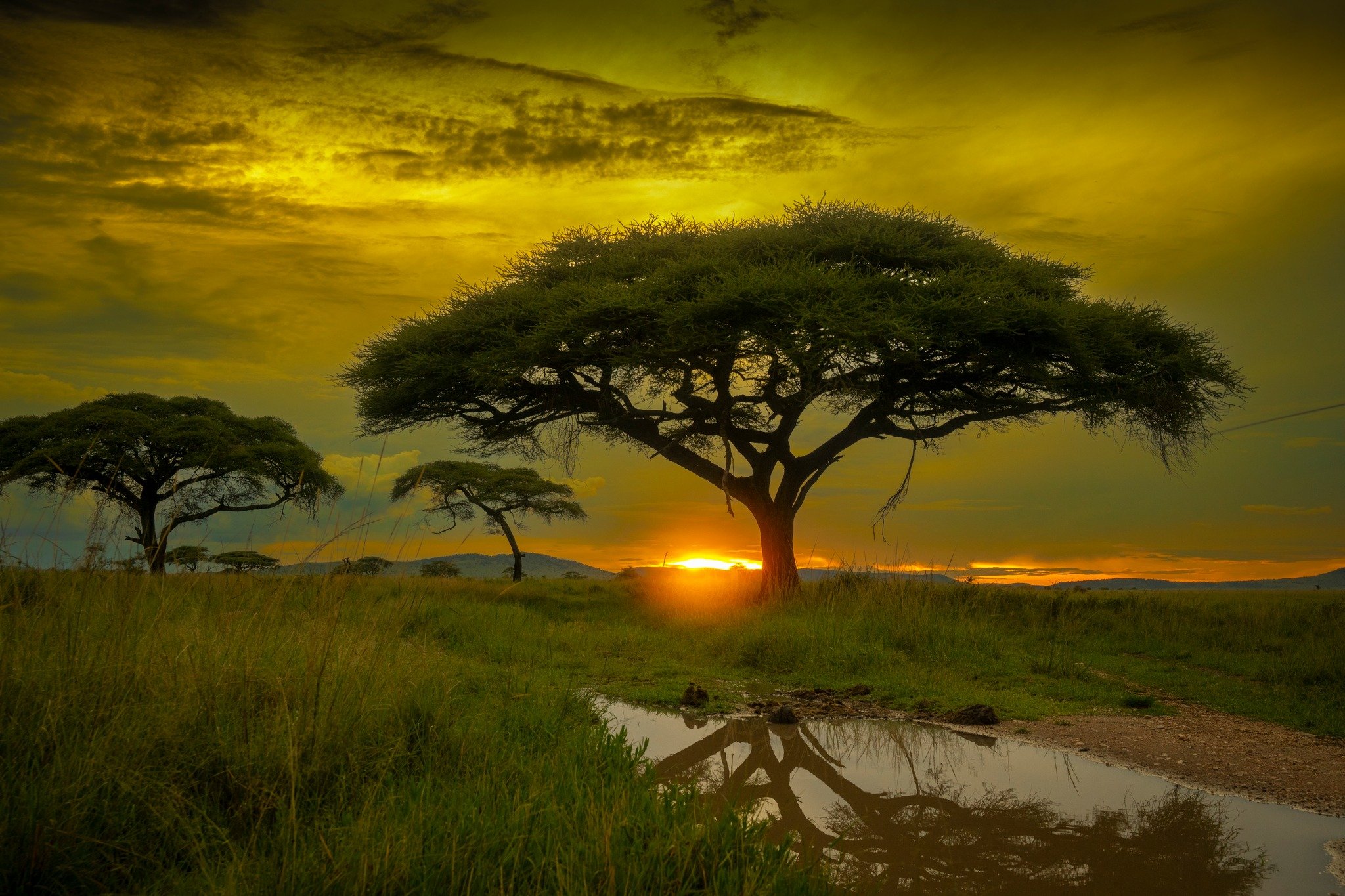 Uganda’s ten national parks range from dense, misty rainforest to open savannah and semi-arid wilderness — often within the same day’s drive.
Bwindi Impenetrable National Park
The headline act. A UNESCO World Heritage Site and one of Africa’s oldest rainforests (over 25,000 years old), Bwindi is home to roughly half of the world’s remaining wild mountain gorillas across four trekking sectors — Buhoma, Ruhija, Rushaga, and Nkuringo. Beyond gorillas, it’s also outstanding for birding, with over 350 species including many Albertine Rift endemics. Located in Uganda’s mountainous southwest near Kisoro and Kanungu, it’s roughly 8–9 hours by road from Kampala, or about an hour by scheduled light aircraft.
Mgahinga Gorilla National Park
Uganda’s smallest national park (under 34 km²) and its most volcanic — Mgahinga sits within the Virunga range, shared with Rwanda and the DRC, and is dominated by three extinct volcanoes: Muhavura, Gahinga, and Sabinyo. It has one habituated gorilla family, but is equally known for golden monkey trekking and volcano hiking, and gets a fraction of Bwindi’s visitor numbers.
Queen Elizabeth National Park
Uganda’s most biodiverse and most-visited savannah park, with roughly 95 mammal species and 600 bird species packed into varied terrain — open savannah, crater lakes, wetlands, and the Kazinga Channel, a natural waterway between Lake Edward and Lake George that hosts one of Africa’s densest hippo populations. The Ishasha sector in the south is famous for tree-climbing lions, a genuinely unusual behaviour rarely seen elsewhere. Kyambura Gorge here also offers chimpanzee tracking.
Murchison Falls National Park
Uganda’s largest national park, named for the point where the entire Victoria Nile forces itself through a gorge barely seven metres wide before plunging 43 metres — one of the most powerful waterfalls on Earth by force, if not by height. Above and below the falls, game drives turn up elephant, giraffe, buffalo, lion, and enormous Nile crocodiles, and the boat cruise to the base of the falls is one of Uganda’s classic safari experiences. Budongo Forest, on the park’s southern edge, adds chimpanzee tracking to the mix.
Kibale National Park
The undisputed chimpanzee tracking capital of East Africa, with 13 primate species in one forest — more than anywhere else in the region. Kibale sits near the pleasant town of Fort Portal and pairs naturally with Queen Elizabeth National Park, making the two a popular combined itinerary. The nearby Bigodi Wetland Sanctuary, run by the local community, is an excellent (and far cheaper) add-on walk for birds and primates.
Lake Mburo National Park
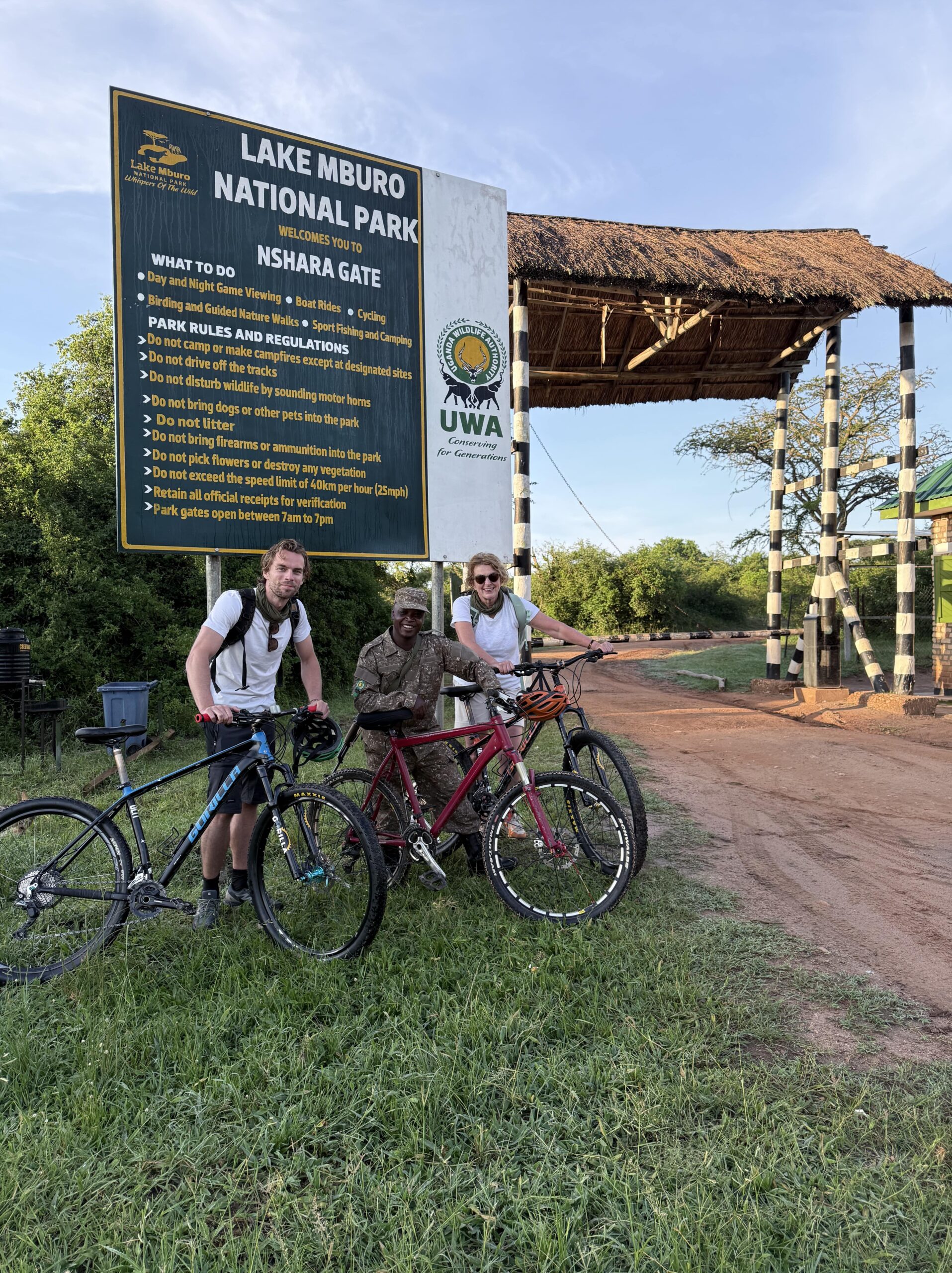
Uganda’s smallest savannah park and the closest to Kampala (roughly 3.5 hours), Lake Mburo punches above its size. It’s the only park in Uganda where you’ll reliably see zebra and impala, and because predator numbers are low, it’s one of the few East African parks where walking safaris, night game drives, and horseback safaris are all permitted. It’s a genuinely great budget-friendly stop for travelers short on time.
Kidepo Valley National Park
Consistently rated by veteran safari guides as one of Africa’s most spectacular yet least-visited parks. Tucked into Uganda’s rugged, remote northeastern corner against the borders of South Sudan and Kenya, Kidepo delivers dramatic mountain-backed savannah, the only cheetahs and ostriches found in any Ugandan park, and deep cultural exposure to the pastoralist Karamojong people. In March 2026, Kidepo became the site of a historic conservation milestone: the Uganda Wildlife Authority began translocating southern white rhinos here from Ziwa Rhino Sanctuary, restoring a species that vanished from the park in 1983. We cover exactly what this means for your safari in the Big Five section below. Because of the distance (a full day’s drive from Kampala), most visitors reach Kidepo by scheduled light aircraft.
Semuliki National Park
An outlier on Uganda’s park list — Semuliki is a genuine extension of the Congo Basin lowland rainforest, with hot springs at Sempaya and bird and mammal species found nowhere else in East Africa. It’s lightly visited, which is part of the appeal for travelers who’ve already done the classic circuit.
Rwenzori Mountains National Park
A UNESCO World Heritage Site nicknamed the “Mountains of the Moon,” the Rwenzori range holds Africa’s third-highest peak, Margherita Peak (5,109m) — and, remarkably, equatorial glaciers, though they’re retreating fast. This is a serious multi-day trekking destination for hikers rather than a drive-through safari park, with afro-alpine vegetation zones that look like nowhere else on the continent.
Mount Elgon National Park
An enormous extinct volcano straddling the Uganda–Kenya border, home to one of the world’s largest intact calderas. Most visitors come for Sipi Falls — a set of three waterfalls near the park’s edge that make for a superb one- or two-night side trip — or for multi-day hikes up the mountain itself, far off the standard tourist trail.
Quick Comparison: Which Park For What
| Park | Best For | Best Time | Distance from Entebbe |
|---|---|---|---|
| Bwindi Impenetrable | Gorilla trekking | Jun–Sep, Dec–Feb (or Apr/May/Nov for discount permits) | ~8–9 hrs road / ~1 hr flight |
| Mgahinga Gorilla | Gorillas + golden monkeys + volcano hikes | Jun–Sep, Dec–Feb | ~9 hrs road / ~1 hr flight |
| Queen Elizabeth | Big game, tree-climbing lions, boat cruise | Year-round | ~5–6 hrs road / ~1 hr flight |
| Murchison Falls | Big game, Nile boat cruise, waterfall | Year-round | ~4–5 hrs road / ~45 min flight |
| Kibale | Chimpanzee tracking | Year-round (Jun–Sep, Dec–Feb easiest) | ~4–5 hrs road / ~1 hr flight |
| Lake Mburo | Zebra, walking safaris, budget stopover | Year-round | ~3–3.5 hrs road |
| Kidepo Valley | Remote wilderness, cheetah, culture, rhino story | Sep–Mar (dry) | ~1 hr flight (10+ hrs road) |
| Semuliki | Rainforest, hot springs, rare species | Dry seasons | ~5–6 hrs road |
| Rwenzori Mountains | Multi-day trekking | Jun–Aug, Dec–Feb | ~7–8 hrs road |
| Mount Elgon | Sipi Falls, hiking, caves | Jun–Aug, Dec–Feb | ~4–5 hrs road |
Planning which combination of parks fits your timeframe is genuinely the hardest part of building a Uganda itinerary — see our sample itineraries further down, or browse our full range of Uganda safari packages and wildlife safaris for pre-built combinations we can tailor to your dates.
Gorilla Trekking Guide
If there’s one activity that gets people on a plane to Uganda specifically, it’s this one. Gorilla trekking Uganda trips consistently rank as one of the most emotionally powerful wildlife experiences available anywhere on Earth — an hour spent a few metres from a family of mountain gorillas, watching juveniles wrestle and a silverback ignore you entirely because you simply don’t concern him. This section is the detailed version of everything you need to plan one.
Where Gorilla Trekking Happens in Uganda
Uganda has two gorilla trekking destinations, and picking between them is one of the first real decisions in planning your Uganda gorilla tour.
| Bwindi Impenetrable National Park | Mgahinga Gorilla National Park | |
|---|---|---|
| Habituated families | ~19, across 4 sectors (Buhoma, Ruhija, Rushaga, Nkuringo) | 1 (the Nyagahenda family) |
| Daily permits | ~152 | 8 |
| Terrain | Dense, steep rainforest | Volcanic slopes, more open |
| Extra activities | Birding, Batwa cultural walks | Golden monkey trekking, volcano hikes (Muhavura, Gahinga, Sabinyo) |
| Best for | Most travelers — more permit availability, sector choice | Travelers combining gorillas with volcano hiking, or adding on from Rwanda |
Bwindi is where the vast majority of trekkers go, simply because it has far more permit availability and four distinct sectors to choose from depending on which lodge or route suits your itinerary. Mgahinga is a wonderful, quieter alternative — particularly if you’re also hiking or crossing over from Rwanda’s Volcanoes National Park.
Gorilla Permit Prices (2026/2027)
Permits are issued exclusively by the Uganda Wildlife Authority (UWA) and are the single biggest fixed cost of any gorilla trekking trip. Current 2026 rates:
| Permit type | Foreign non-resident | Foreign resident | East African citizen |
|---|---|---|---|
| Standard trek (1 hour with gorillas) | $800 | $700 | Approx. UGX 300,000 |
| Low-season discount (April, May, November only) | $600 | $500 | — |
| Gorilla habituation experience (up to 4 hours) | $1,800 | — | — |
A few essential details:
- The permit includes park entrance for the day, a trained ranger guide, trackers, and armed security. It does not include transport to the trailhead, porters, or tips.
- Book early. Permits are limited and genuinely do sell out — 3 to 6 months ahead is the general rule, and 6–10 months ahead for peak season (June–September, December–February) or Christmas/New Year dates.
- Full payment is now required at booking. As of March 2026, UWA removed the old system that let operators hold a permit for seven days before payment. Permits are now secured only once paid in full, so be ready to commit when you find your dates.
- Low-season discount permits cannot be rescheduled. If there’s a real chance your dates might shift, the standard permit — while pricier — gives you far more flexibility.
- Your permit is sector-specific. This matters more than most first-time planners realize: your permit is booked for one particular sector gate, so your lodge needs to be a reasonable drive from that exact gate, not just “near Bwindi.” This is exactly the kind of detail a local operator sorts out for you.
We handle the entire permit booking process directly with UWA for our clients — get in touch with your preferred travel dates and we’ll confirm availability before you commit to anything.
What to Expect on Trek Day
- Early start. You’ll check in at your sector’s park headquarters around 7:00–7:30 AM for registration and a briefing on rules and etiquette.
- Group size. Trekking groups are capped at 8 visitors per gorilla family.
- The hike itself is unpredictable. Gorilla families move daily, so your trek could take anywhere from 1–2 hours to a genuinely demanding 6–8 hours through dense, muddy, sometimes near-vertical terrain. Trackers head out ahead of the tourist groups to locate the family first.
- One hour with the gorillas, once found — no more, to limit stress on the animals and reduce disease transmission risk.
- The rules matter and are strictly enforced: keep roughly 7–10 metres from the gorillas, speak quietly, no flash photography, don’t eat or drink near them, and — importantly — you will not be permitted to trek if you’re visibly unwell, because gorillas share close to 98% of human DNA and are highly susceptible to human respiratory illnesses.
- Minimum age is 15. There’s no upper age limit, but you should be reasonably fit — see below.
- Hire a porter. For roughly $15–20, a local porter will carry your bag and, more importantly, physically help you up and down difficult terrain. It’s a genuinely worthwhile expense and directly supports the local community.
How Fit Do You Need to Be?
Realistically fit, not athlete-fit. You should be comfortable walking continuously on uneven, sometimes steep and muddy ground for a few hours. If you have any concerns about your fitness or mobility, mention it when booking — some sectors and gorilla families are easier to reach than others, and we can match you to a more manageable trek. Sedan chairs (a padded seat carried by a team of porters) are also available in Bwindi for travelers who want the experience but can’t manage the trek unassisted.
Uganda vs Rwanda for Gorilla Trekking
A question we get constantly, since both are on most travelers’ shortlist:
- Price: Uganda’s $800 permit is roughly half of Rwanda’s $1,500 — the single biggest differentiator.
- Availability: Uganda has far more habituated families and daily permits, making last-minute or flexible bookings easier.
- Scenery: Rwanda’s Volcanoes National Park has more dramatic volcanic backdrops; Bwindi’s forest is denser and wilder-feeling.
- Access: Rwanda’s Kigali airport is closer to its gorilla sector than Entebbe is to Bwindi, meaning less road time if convenience is your priority.
Many travelers now do both in one trip — trekking in Uganda, then crossing overland to Rwanda (or vice versa) using the East African Tourist Visa, which covers Uganda, Kenya, and Rwanda on one document. More on that in the visa section.
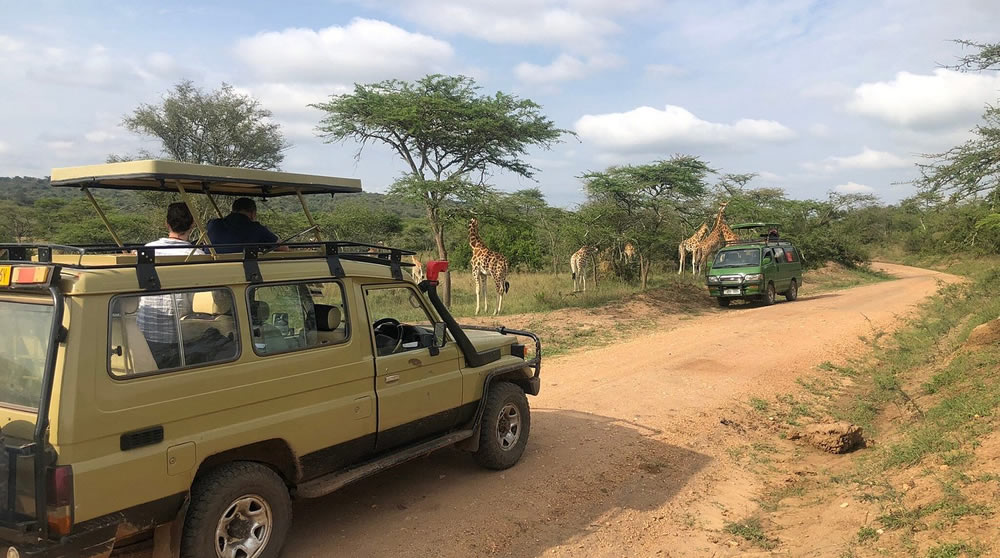 The trek to find a gorilla family takes you through some of Africa’s densest, oldest rainforest — part of what makes Bwindi’s name so literal.
 A habituated mountain gorilla, relaxed and unbothered by visitors — this is the moment every gorilla trek is planned around.
What to Pack Specifically for Gorilla Trekking
- Waterproof, broken-in hiking boots with ankle support
- Long trousers and a long-sleeved shirt (tucked in — the forest has biting ants and stinging nettles)
- Gardening or thin work gloves, for grabbing vegetation on steep sections
- A light rain jacket, even in dry season
- A daypack with a rain cover, plenty of water, and snacks
- Gaiters, if you have them (optional, but useful in muddy sectors)
Full general packing guidance is in our dedicated packing list section below.
Chimpanzee Tracking
If gorilla trekking is Uganda’s headline act, chimpanzee tracking is arguably the most underrated activity in the country — cheaper, more physically accessible, and genuinely thrilling in its own right. Watching a wild chimp community erupt into their characteristic pant-hoot chorus, echoing through the canopy, is an experience many travelers rate as highly as their gorilla trek.
Where to Track Chimpanzees
| Location | Foreign non-resident price | Notes |
|---|---|---|
| Kibale National Park | ~$250 (standard) / ~$300 (habituation) | The “chimpanzee capital of East Africa” — highest density, best odds (90%+ success rate) |
| Kyambura Gorge (Queen Elizabeth NP) | ~$100 | A dramatic forested gorge experience, lower success rate but spectacular scenery |
| Budongo Forest (Murchison Falls NP) | ~$130 | Quieter, less crowded, good if you’re already visiting Murchison |
Kibale National Park is where we send the vast majority of our clients for this activity — it holds East Africa’s highest concentration of chimpanzees (over a thousand individuals) across several fully habituated communities, and treks are generally a moderate 2–4 hour forest walk culminating in an hour with the chimps. The nearby community-run Bigodi Wetland Sanctuary makes an excellent, inexpensive add-on walk, with monkeys, birds, and proceeds that go directly to the local community.
Chimp Tracking Practicalities
- Minimum age is typically 12 (confirm with your operator, as this can vary slightly by site).
- Morning sessions (around 6:00–7:00 AM) are more popular — chimps tend to be more active and the light is better for photos.
- Book 6–8 weeks ahead for peak season — less urgent than gorilla permits, but Kibale morning slots do sell out.
- The chimpanzee habituation experience (a full day, 6:00 AM–6:00 PM, with researchers and trackers) is available in Kibale for a more immersive, behind-the-scenes conservation experience.
Many travelers combine chimp tracking and gorilla trekking into one Uganda gorilla tour itinerary — Kibale sits conveniently close to Queen Elizabeth National Park, which in turn connects naturally to Bwindi, making a “primates and predators” loop entirely feasible in 7–10 days. You’ll find a ready-made version of that route in our sample itineraries, or explore our chimpanzee tracking and wildlife safari packages directly.
Big Five Safaris
The term “Big Five” — lion, leopard, elephant, buffalo, and rhino — dates back to big-game hunting, where these five were considered the most dangerous animals to hunt on foot. Today it’s simply safari shorthand for the most sought-after sightings, and it’s worth understanding exactly where Uganda stands on it, because the honest picture is more interesting than a simple yes or no.
- Lion: Found in Queen Elizabeth National Park (including the famous tree-climbing lions of the Ishasha sector), Murchison Falls National Park, and Kidepo Valley National Park.
- Leopard: Present across most parks but genuinely elusive everywhere in Africa, not just Uganda — nocturnal, solitary, and superbly camouflaged. Queen Elizabeth and Kidepo generally offer the best odds.
- Elephant: Abundant in Murchison Falls and Queen Elizabeth National Parks, with healthy populations in Kidepo too.
- Buffalo: Common across all the savannah parks, often in large herds.
- Rhino: Historically, this was Uganda’s missing piece — poaching wiped out wild rhino populations by the early 1980s, and for over four decades the only place to see one in Uganda was Ziwa Rhino Sanctuary, a dedicated (non-national-park) breeding and protection reserve roughly 2–3 hours from Kampala en route to Murchison Falls, where you can track southern white rhinos on foot with an armed ranger.
The Kidepo Rhino Story — Uganda’s Newest Big Five Chapter
Here’s something genuinely exciting happening right now, and it’s the kind of update that makes 2026–2027 a particularly interesting time to plan a Uganda trip: in March 2026, the Uganda Wildlife Authority began translocating southern white rhinos — bred at Ziwa Rhino Sanctuary and bolstered by new arrivals from South Africa and Kenya — into a newly secured sanctuary within Kidepo Valley National Park’s Narus Valley. It’s the first time rhinos have set foot in Kidepo since the last individual was killed by poachers there in 1983.
This matters because Kidepo already holds lion, leopard, elephant, and buffalo — meaning that once the rhino population is established and free-ranging, Kidepo is on track to become Uganda’s first true Big Five national park, all in one of the continent’s most remote and dramatic landscapes.
A dose of honesty, though, because we’d rather set accurate expectations than oversell it: as of 2026, the rhinos are still in a protected, fenced acclimatization phase within Kidepo, being closely monitored by rangers and vets before any wider release. Sightings aren’t guaranteed yet, and rhino tracking isn’t formally open to visitors on a predictable basis. If seeing a rhino is a must for your trip today, Ziwa Rhino Sanctuary remains the reliable, established option — Kidepo is the one to watch for the next few years, and we’ll be updating this guide as that story develops.
A quick, honest note on expectations generally: even where all five species are present, a Uganda safari isn’t built around “ticking the Big Five in a single game drive” the way the Serengeti or Masai Mara sometimes markets itself. What Uganda trades that scripted, high-density spectacle for is quieter parks, close-up primate encounters you simply can’t get elsewhere, and a much broader, more textured wildlife experience.
Wildlife Guide
Beyond the primates and the Big Five, Uganda’s species list is enormous — a natural result of sitting at the meeting point of East African savannah, Central African rainforest, and the Albertine Rift’s unique ecosystems.
Primates are Uganda’s real specialty: alongside mountain gorillas and chimpanzees, look for golden monkeys (Mgahinga), black-and-white colobus monkeys (striking, long-tailed, and common in forested parks), vervet monkeys, olive baboons, red-tailed monkeys, l’Hoest’s monkeys, and grey-cheeked mangabeys. Across its parks and forests, Uganda hosts 13 primate species — one of the highest counts anywhere on Earth.
Big game and plains wildlife: elephant, Cape buffalo, lion, leopard, hippo (the Kazinga Channel in Queen Elizabeth National Park holds one of Africa’s densest hippo populations), and enormous Nile crocodiles along the river systems, especially below Murchison Falls.
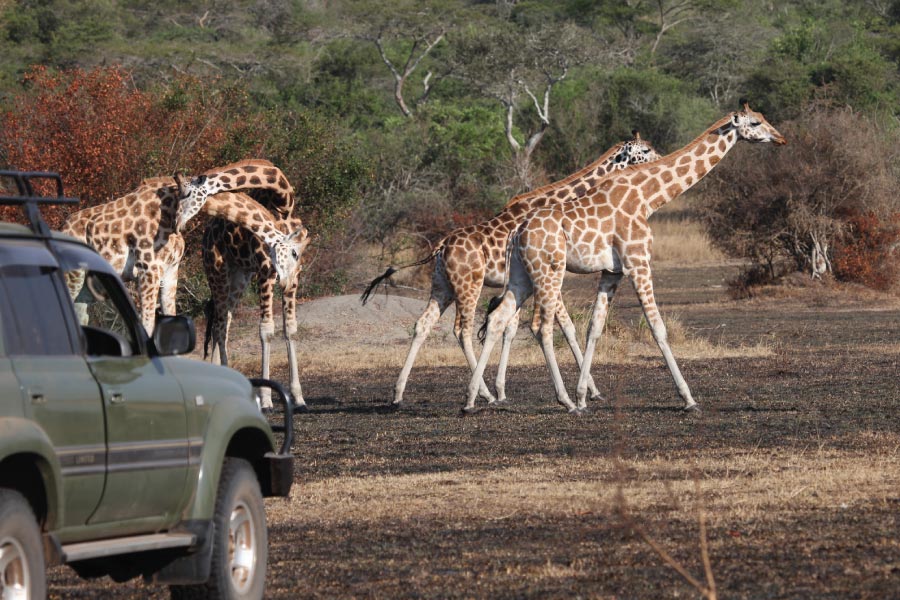
Species that are distinctly Ugandan: – Uganda kob — a russet-coloured antelope and Uganda’s national animal, appearing on the country’s coat of arms, abundant in Queen Elizabeth and Murchison Falls – Rothschild’s giraffe — one of the most endangered giraffe subspecies, with a strong population in Murchison Falls National Park – Zebra — found in only one Ugandan park, Lake Mburo – Topi and Jackson’s hartebeest — grassland antelope species seen in Murchison Falls and Kidepo – Sitatunga — a shy, semi-aquatic antelope with splayed hooves adapted for wetlands, best seen at Lake Mburo’s Rwonyo swamp or from a Kazinga Channel boat
The single best low-effort wildlife experience in the country is arguably the Kazinga Channel boat cruise in Queen Elizabeth National Park — a two-hour float past hippo pods, basking crocodiles, elephant herds coming down to drink, and dense birdlife, often all in the same afternoon.
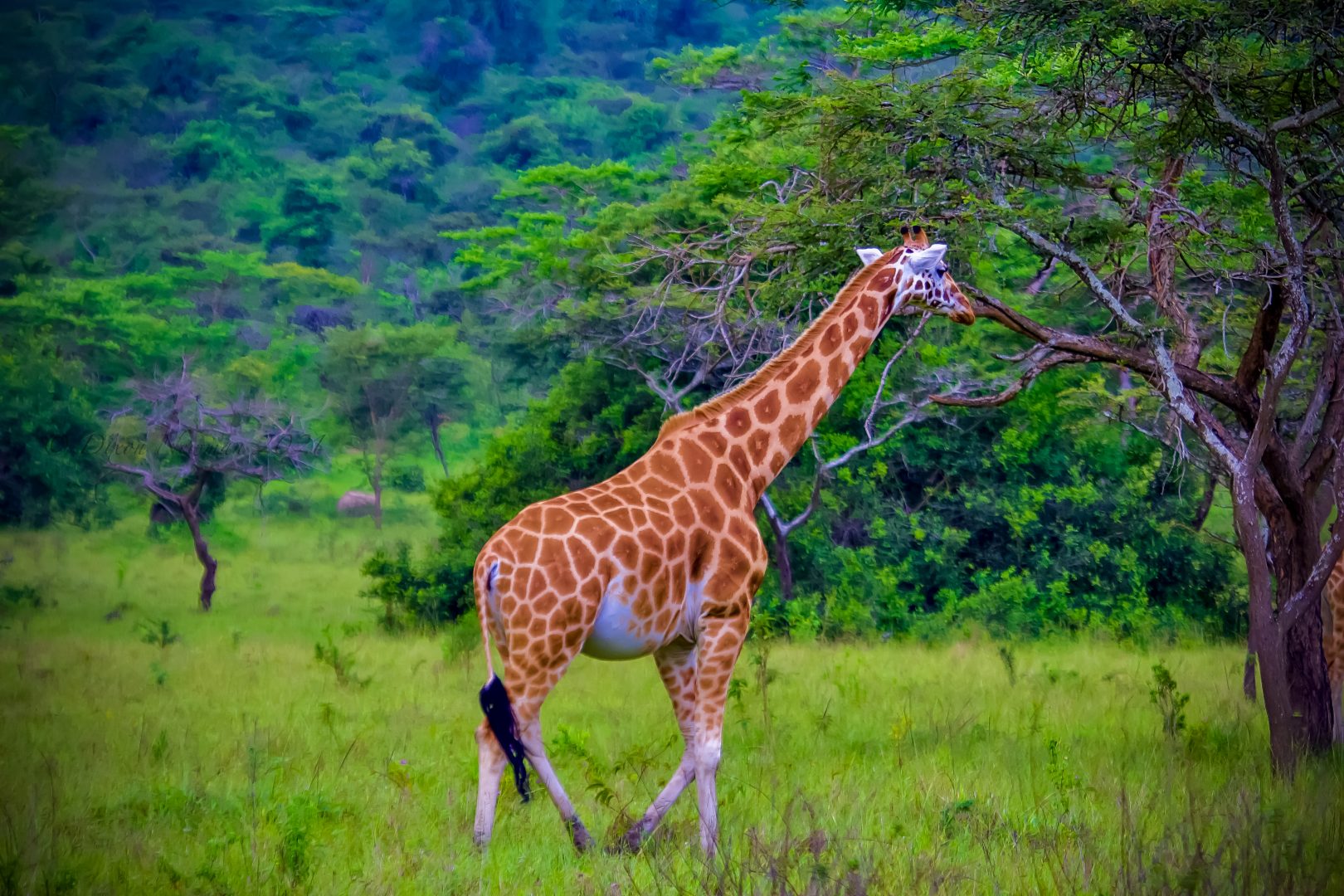 Uganda’s savannah parks support dense concentrations of buffalo, kob, and other plains game — especially along waterways like the Kazinga Channel.
Birdwatching
Uganda is, without much competition, one of the best birding destinations on the planet: over 1,000 recorded species — more than 11% of the world’s total bird species — packed into a country roughly the size of the UK. Serious birders regularly rank it above far larger, better-known safari countries for sheer density and diversity.
The headline species is the shoebill stork — a genuinely prehistoric-looking bird, over a metre tall, with a huge clog-shaped bill, found in Uganda’s papyrus swamps. The most reliable spot is Mabamba Swamp, a short boat trip from Entebbe and an easy add-on either at the start or end of your trip; the Nile Delta area of Murchison Falls National Park is a second good option.
Other highlights to watch for: – African green broadbill and other Albertine Rift endemics (Bwindi, Mgahinga, Semuliki) – Great blue turaco — large, vivid, and hard to miss once you’ve seen one – African fish eagle — Uganda’s national bird, commonly seen along the Nile and Kazinga Channel – Papyrus gonolek, pelicans, storks, and dense waterbird colonies along the Kazinga Channel and Lake Mburo
Best birding locations: Mabamba Swamp (shoebill), Queen Elizabeth National Park and the Kazinga Channel (waterbirds and raptors), Bwindi and Semuliki (Albertine Rift and Congo Basin endemics), and Lake Mburo (dry-country species you won’t see elsewhere in Uganda).
Best time to visit for birding leans toward the wet seasons (March–May and October–November), when migrant species are present and resident birds are in full breeding plumage — though genuinely, Uganda delivers strong birding in any month.
If birds are your primary reason for traveling, it’s worth building a dedicated birding-focused itinerary rather than squeezing birdwatching around a standard game-drive schedule — the pace, timing, and site selection are genuinely different, and we design these regularly for serious birders.
Adventure Activities
Uganda’s nickname of “Pearl of Africa” undersells just how much adrenaline is on offer here alongside the wildlife. If you want your Uganda adventure holidays to include more than game drives, here’s where to look:
- White-water rafting in Jinja — the source of the Nile produces some of the best commercially rafted white water on Earth, with full-day trips running from mellow family-friendly stretches to genuine Grade 5 rapids for adrenaline seekers.
- Bungee jumping and quad biking, also based around Jinja, for travelers who want to add a day of pure adrenaline to a trip otherwise built around wildlife.
- Multi-day mountain trekking in the Rwenzori Mountains (for serious hikers aiming for Africa’s third-highest peak) or Mount Elgon (caldera hikes, Sipi Falls, caves) — see the national parks section above for details on both.
- Volcano hiking in Mgahinga — Mount Muhavura, Mount Gahinga, and Mount Sabinyo can all be climbed as day hikes from the park, often combined with gorilla or golden monkey trekking.
- Boat cruises on the Kazinga Channel and the Nile below Murchison Falls — genuinely one of the best ways to see wildlife with zero physical effort required.
- Horseback safaris at Lake Mburo National Park, one of the few places in East Africa where you can ride among zebra and antelope thanks to the low predator density.
- Nature walks and hikes are possible in almost every park with a ranger guide, for travelers who want a slower, closer look at forest ecosystems between the bigger-ticket activities.
Most of these pair naturally with a wildlife-focused itinerary rather than requiring a separate trip — Jinja, for instance, sits directly on the route between Kampala/Entebbe and several eastern and northern parks, making it an easy stopover rather than a detour.
Cultural Experiences
Uganda’s cultural depth is easy to underestimate if you’ve come purely for wildlife, but it’s one of the most rewarding parts of a well-built itinerary — the country is home to over 50 distinct ethnic groups and several historic kingdoms.
- The Batwa — often called “the Keepers of the Forest,” the Batwa were traditional forest-dwelling communities around Bwindi and Mgahinga before conservation policy relocated them outside the park boundaries. Batwa-led cultural walks and trails (run by and directly benefiting Batwa communities) offer an unfiltered look at forest survival skills, traditional medicine, and music — and they’re a meaningful way to put tourism revenue directly into the hands of a community with a complicated relationship to the parks that now protect the forest they once called home.
- The Karamojong — semi-nomadic pastoralists in Uganda’s remote northeast, around Kidepo Valley, with a culture and way of life distinct from anywhere else in the country. A visit here feels genuinely different from the rest of the tourist circuit.
- The Buganda Kingdom — Uganda’s largest traditional kingdom, centred on Kampala. The Kasubi Tombs (a UNESCO World Heritage Site and the burial ground of Buganda’s kings) and the Kabaka’s Palace are worthwhile stops if you have time in the capital before or after your safari.
- Jinja and the source of the Nile — beyond the adventure sports, Jinja itself has a layered colonial and Indian-Ugandan trading history worth an afternoon’s exploration.
- Local markets and craft villages — found near almost every major park, offering a direct way to support local artisans and take home something more meaningful than an airport souvenir.
 Community-led cultural experiences, like Batwa forest walks and traditional performances, add real depth to a Uganda itinerary — and put tourism revenue directly into local hands.
If cultural immersion matters as much to you as the wildlife, mention that when you contact our team — we build these experiences into itineraries as a genuine, unhurried component, not a rushed 20-minute stop between game drives.
Luxury Safaris
A luxury Uganda safari looks different from luxury in Kenya or Tanzania — there are fewer sprawling five-star lodge complexes, and more small, architecturally striking camps and lodges tucked directly into forest edges or overlooking crater lakes, where exclusivity comes from scale rather than size.
What defines the luxury tier here:
- Premium tented camps and lodges near Bwindi, Queen Elizabeth, and Murchison Falls, typically with a handful of spacious suites, private verandas, and high-end service ratios
- Fly-in itineraries — scheduled light aircraft between parks instead of long road transfers, which can turn a 9-hour drive to Bwindi into a roughly hour-long flight
- Private vehicles and guides for the full trip, rather than joining shared game drives
- The gorilla habituation experience ($1,800 permit, up to four hours with a semi-habituated family and a research team) as an exclusive alternative to the standard one-hour trek
- Exclusive-use options — some properties offer private house or villa-style bookings for full parties
- Generally, expect luxury Uganda lodges to run from roughly $700 to $1,500+ per person, per night, all-inclusive
Luxury here suits travelers who want the full Uganda experience — gorillas, big game, culture — without compromising on comfort, privacy, or logistics. It’s also the natural fit for honeymoons and milestone trips.
Mid-Range Safaris
This is where the majority of our clients land, and for good reason — it’s the genuine sweet spot between cost and comfort. Mid-range Uganda safari packages typically include comfortable, well-run lodges or tented camps (private bathroom, hot water, solid food, real character — just without the ultra-premium finishes), a private safari vehicle with driver-guide for your group, and all park fees, permits, and transfers handled for you.
Expect a realistic budget in the range of $250–$500 per person, per day (excluding international flights and gorilla/chimp permits, which are fixed costs regardless of tier). For most first-time visitors, this tier delivers 90% of the luxury experience — a private vehicle, a knowledgeable guide, comfortable lodges — at a meaningfully lower price point.
Budget Safaris
A budget Uganda safari is absolutely achievable without turning your trip into an endurance exercise — Uganda is, in fact, one of the most affordable serious safari destinations in East Africa. A few ways to bring costs down without sacrificing the core experience:
- Travel in the low season. April, May, and November bring the discounted $600 gorilla permit, plus lower lodge rates across the board.
- Join a small-group or scheduled departure rather than booking a fully private vehicle — this is the single biggest lever for reducing per-person costs.
- Choose budget lodges and campsites near park gates rather than premium in-park properties — you’ll still be minutes from the action.
- Prioritise Lake Mburo National Park, Uganda’s most budget-friendly park: it’s close to Kampala (cutting transport costs), has no separate “big game” permit fees, and offers walking safaris included in standard park entry.
- Substitute Ziwa Rhino Sanctuary for a Big Five park if rhino sightings matter to you but the budget doesn’t stretch to a full northern circuit — it’s a fraction of the cost and time commitment.
- Self-drive is possible for confident, experienced travelers, though we’d generally recommend a driver-guide even on a budget trip, given road conditions — see the transportation section.
One honest note: the gorilla permit itself ($800, or $600 in low season) is a fixed government fee regardless of how frugally you travel — there’s no “budget” permit tier beyond the seasonal discount. But everything around it — accommodation, transport, group size — is genuinely flexible, and a realistic budget trip (excluding the gorilla permit) can run as low as $100–$200 per person, per day.
Sample Cost Breakdown: A 7-Day Uganda Safari
Numbers help more than ranges, so here’s a realistic, itemised breakdown for a mid-range, two-person, 7-day gorilla-and-wildlife trip (excluding international flights):
| Item | Approximate cost (per person) |
|---|---|
| Gorilla trekking permit | $800 (or $600 in low season) |
| Chimpanzee tracking permit | $250 |
| Mid-range accommodation (6 nights) | $900–$1,500 |
| Private vehicle, driver-guide & fuel (shared across 2 people) | $400–$600 |
| Park entrance fees & activity fees (boat cruise, etc.) | $150–$250 |
| Meals not included in lodge packages | $50–$100 |
| Tips (driver-guide, trekking guide, porters) | $100–$150 |
| Uganda e-Visa | $51.50 |
| Approximate total per person | $2,700–$3,700 |
Swap in luxury lodges and fly-in transfers and the same trip can comfortably run $5,000–$7,000+ per person; strip back to budget lodges and a shared-group vehicle and it can come down to $1,800–$2,400. The permits are the one line item that stays fixed regardless of tier — everything else is where your budget decisions actually make a difference.
Family Holidays
Uganda works well as a family safari destination, with a few practical age considerations to plan around:
- Gorilla trekking has a strict minimum age of 15, and chimp tracking is typically 12+ — so families with younger children will want to build a trip around other activities rather than primates.
- Lake Mburo National Park is genuinely excellent for families: short drives, walking and biking safaris that are easy and safe with kids, and zebras that reliably delight younger children.
- Queen Elizabeth National Park’s Kazinga Channel cruise is an easy, low-effort way for kids to see huge amounts of wildlife without a long game drive.
- Entebbe, right by the airport, has the Uganda Wildlife Education Centre (a well-run zoo and rehabilitation centre) and the Botanical Gardens — both excellent, low-key options for younger children or as an arrival/departure-day activity.
- Practical tips: book a private vehicle and guide rather than joining shared drives, keep individual driving days shorter than you would for an adults-only trip, double-check malaria prevention options suitable for your children’s ages with your doctor well in advance, and choose family-friendly lodges with interconnecting or family rooms (increasingly common, but worth confirming ahead of booking).
Honeymoon Safaris
A Uganda vacation built for two has a natural romantic arc: gorilla trekking as a genuinely shared bucket-list moment, quiet luxury lodges with private verandas overlooking forest or crater lake, candlelit dinners arranged away from other guests, and sundowners on the Kazinga Channel as the light turns gold over the water.
Ideas that work particularly well for honeymoon itineraries:
- Private, fly-in circuits that minimise long road transfers between activities
- A soak in the natural hot springs at Semuliki National Park
- Boutique lodges near Bwindi with couples-only dining and spa options
- Combining Uganda with a short Rwanda or Zanzibar extension using the East African Tourist Visa, for beach time to round out the trip
Let us know it’s a honeymoon when you reach out — we’ll flag it to our lodge partners, who often arrange small touches (room upgrades, private dinners) for couples on request.
Solo Travel
Uganda is a genuinely welcoming, manageable destination for solo travel, and gorilla trekking in particular lends itself well to it — you’re placed into a group of up to eight trekkers regardless of whether you booked solo or with a partner, so the activity itself is inherently social.
Practical notes for solo travelers:
- Ask about joining scheduled group departures rather than booking a fully private vehicle — this both reduces cost (avoiding a single-traveler supplement) and puts you around other travelers for the trip.
- Share your itinerary with someone at home and check in periodically, as you would for solo travel anywhere.
- Book through a licensed local operator rather than freelancing the logistics — this matters more for solo travelers than groups, since you don’t have travel companions to problem-solve with if something goes sideways.
- Lodges and camps are naturally social spaces — communal dining areas and shared game drives mean solo travelers rarely feel isolated on a Uganda safari.
- Avoid walking alone after dark in towns and cities, and use vetted transport rather than hailing random vehicles.
Photography Tours
Uganda rewards photographers who come prepared, both technically and in terms of expectations — the light, density of wildlife, and proximity you get with primates specifically are hard to replicate elsewhere.
Gear recommendations: – A telephoto zoom (100–400mm equivalent is a good general-purpose range) for game drives and birding – A wider lens for landscapes and environmental portraits — the misty Bwindi forest and Kazinga Channel sunsets both reward wide shots – A rain cover or dry bag for your camera during gorilla trekking — Bwindi is a rainforest, and humidity plus sudden rain showers are normal – Extra batteries and a power bank — charging can be limited at remote lodges, and cold, humid conditions drain batteries faster – No flash photography is permitted around gorillas or chimps — plan your camera settings (higher ISO, wider aperture) for low-light forest conditions in advance
Best photographic subjects and moments: – Tree-climbing lions draped over fig branches in Ishasha (Queen Elizabeth NP) – The shoebill stork at Mabamba Swamp – Mountain gorillas in Bwindi’s dense, atmospheric forest light – The raw power of Murchison Falls, and the wildlife-dense boat cruise below it – Golden-hour game drives in Queen Elizabeth and Murchison Falls, when the light and animal activity both peak
If photography is your primary focus, tell us when planning — we can build in extra time at key sightings, prioritise sectors and times of day suited to better light, and avoid the more rushed, checklist-style itinerary that a generic package might default to.
Packing List
A well-planned packing list matters more in Uganda than in a lot of safari countries, simply because you might go from a chilly, misty rainforest morning to a hot, dusty savannah afternoon within the same trip.
Clothing
- Neutral, earth-toned clothing (khaki, olive, brown, grey) — avoid bright colours, white, and especially avoid dark blue and black, which attract tsetse flies in savannah parks
- Long-sleeved shirts and long trousers for gorilla/chimp trekking (protection from nettles, thorns, and biting insects)
- A warm layer (fleece or light jacket) for cool mornings, especially around Bwindi and Mgahinga
- A waterproof rain jacket, regardless of season
- A wide-brimmed hat and sunglasses
- Swimwear, if your itinerary includes a lodge pool or hot springs at Semuliki
Footwear & Gear
- Waterproof, broken-in hiking boots (essential for gorilla/chimp trekking)
- Comfortable closed shoes for camp/lodge wear
- Binoculars — genuinely essential, not optional, for both game viewing and birding
- Camera with a telephoto lens, spare batteries, and memory cards
- A headlamp or torch (many camps have limited lighting after dark)
- A universal power adapter (Uganda uses UK-style Type G plugs, 240V) and a portable power bank
- A dry bag or waterproof cover for electronics during boat cruises and rainy-season treks
Health & Personal Items
- Malaria prophylaxis (prescribed by your doctor before travel)
- Insect repellent containing DEET
- Sunscreen (high SPF — the equatorial sun is strong even on overcast days)
- Hand sanitiser and a small personal first-aid kit
- Any personal prescription medication, in original packaging, with a spare supply
- Oral rehydration salts, for peace of mind on long trekking days
Documents Checklist
- Passport (valid 6+ months beyond your travel dates, with blank pages)
- Printed Uganda e-Visa approval letter
- Yellow fever vaccination certificate
- Printed gorilla/chimp permit confirmations
- Travel insurance documents (with emergency contact numbers)
- Physical and digital copies of everything above, stored separately from the originals
Gorilla Trekking Extras
- Gardening or thin work gloves
- A walking stick (usually provided free at the park headquarters, but bring your own if you prefer)
- Small denomination US dollars or Ugandan shillings in cash for porter tips (roughly $15–20 per porter is standard)
Visa Requirements
As of 2026, Uganda operates a fully online e-Visa system — there is no visa-on-arrival option, so this needs to be sorted before you fly, not at the airport.
Visa Options
| Visa type | Cost | Validity | Notes |
|---|---|---|---|
| Single-entry tourist e-Visa | $50 + $1.50 admin fee | Up to 90 days | The standard choice for most visitors; single entry only |
| East African Tourist Visa (EATV) | $100 | 90 days, multiple entry | Covers Uganda, Kenya, and Rwanda on one visa — apply through whichever of the three you enter first |
| Multiple-entry visa | $100 (6–12 months) / $200 (24 months) | 6–24 months | For frequent visitors |
| Transit visa | $50 | 7 days, non-extendable | For travelers passing through Uganda to a third country |
How to apply: through the official portal only — visas.immigration.go.ug. Be aware that fraudulent third-party visa websites exist and have been known to charge $110–$200 for a visa that officially costs $50; stick to the official government portal or have your operator assist directly.
What you’ll need to apply: – A clear scan of your passport’s bio-data page (passport valid 6+ months beyond arrival, with at least one blank page) – A recent passport-style photo – Your yellow fever vaccination certificate – A detailed travel itinerary – Proof of return/onward flights – Proof of accommodation (a booking confirmation or invitation letter)
Processing time is typically 2–3 business days, though we’d recommend applying at least 10 days before travel to allow buffer time. Once approved, print your approval letter — you’ll need to present it at the border for biometric processing (fingerprints and a photo) on arrival.
Visa-exempt travelers: citizens of East African Community member states (Kenya, Tanzania, Rwanda, Burundi, South Sudan, DRC) do not need a visa for tourism visits.
Planning a multi-country trip? The East African Tourist Visa is genuinely the smart choice if your itinerary includes two or more of Uganda, Kenya, and Rwanda — for example, gorilla trekking in Uganda followed by a Masai Mara safari in Kenya, or a Uganda-Rwanda combined gorilla trip. One important rule: you must apply through the country you’ll enter first — if you plan to fly into Entebbe first, apply via Uganda’s portal, not Rwanda’s or Kenya’s.
Health & Vaccinations
None of this is medical advice — please confirm your specific requirements with a doctor or travel health clinic 4–6 weeks before departure. That said, here’s what every Uganda-bound traveler should know.
- Yellow fever vaccination is mandatory for entry into Uganda, with narrow exceptions (infants under one year old, and travelers with an official medical exemption certificate). You’ll need to upload your certificate as part of the e-Visa application, and it may be checked again on arrival.
- Malaria is present countrywide, including in and around the national parks. Antimalarial prophylaxis (commonly Malarone/atovaquone-proguanil or doxycycline) is strongly recommended — discuss the right option for you with your doctor, and pair it with insect repellent and covering up at dawn and dusk, when mosquitoes are most active.
- Routine vaccinations should be up to date: MMR (measles cases have been rising globally), Tdap, and typhoid and Hepatitis A are commonly recommended for East Africa travel; Hepatitis B and rabies are worth discussing with your travel clinic depending on your itinerary and activities.
- Schistosomiasis (bilharzia) is present in some freshwater lakes, including parts of Lake Victoria — avoid swimming in untreated fresh water where local guidance advises against it, and ask your lodge or guide before swimming anywhere.
- The 2026 Ebola and Marburg situation — see our full breakdown in the Is Uganda Safe? section above. Practically, this means: check the current CDC and WHO travel health notices close to your departure date, complete Uganda’s online health/passenger locator declaration before you fly, and expect thermal screening on arrival at Entebbe.
- The gorilla trekking health rule deserves repeating here: you will not be allowed to trek if you’re showing symptoms of a cold, flu, or other contagious illness. This isn’t bureaucratic caution — mountain gorillas are critically endangered and highly vulnerable to human respiratory diseases, and a single sick visitor can put an entire family at risk.
- Travel insurance with medical evacuation coverage is strongly recommended — not optional advice. Medical facilities outside Kampala are limited, and serious injuries or illness in remote parks may require evacuation to the capital or, in more serious cases, out of the country entirely.
- Altitude is worth a mention if you’re trekking in the Rwenzori Mountains or hiking Mgahinga’s volcanoes — take it slow, stay hydrated, and be aware of altitude sickness symptoms at higher elevations.
Currency & Payments
Uganda’s currency is the Ugandan Shilling (UGX). As of mid-2026, the exchange rate sits around UGX 3,700 to USD 1, though like any currency it fluctuates — check a live rate shortly before you travel rather than relying on any fixed figure, including this one.
Practical payment guidance:
- US dollars are widely accepted for larger expenses — gorilla/chimp permits, lodge bills, and tour packages are typically quoted and paid in USD. Bring newer bills (post-2009 series) in good condition; older or damaged notes are frequently refused or exchanged at a worse rate.
- Carry Ugandan shillings for smaller, everyday purchases — markets, tips, drinks, and roadside stops. You can withdraw shillings from ATMs or exchange cash on arrival.
- ATMs are reliable in Kampala, Entebbe, and larger towns, but far less so (or entirely absent) once you’re deep in park territory — withdraw what you’ll need before heading into remote areas.
- Credit cards are accepted at upscale lodges and hotels, generally with a surcharge (often 3–5%); don’t rely on card payments for smaller vendors, local restaurants, or markets.
- Mobile money (MTN MoMo and Airtel Money) is how most everyday transactions happen in Uganda, but it requires a local SIM and registration, so it’s more relevant if you’re staying longer than a standard trip.
- Tipping is customary and appreciated, though not legally mandatory. As a rough guide: $10–20 per day for your safari driver-guide, $10–15 per day for a trekking guide, $15–20 per gorilla/chimp trekking porter, and smaller amounts for lodge staff — adjust based on group size and service quality, and check whether your tour price already includes any of this.
Transportation
Getting to Uganda: almost all international visitors arrive via Entebbe International Airport (EBB), roughly 40 km from Kampala, with connections through major hubs. Confirm your specific routing with your airline when booking, as carriers occasionally adjust schedules — this has been especially relevant during 2026’s public health developments (see the safety section).
Getting around once you’re here:
- Private safari vehicle with a driver-guide is how the vast majority of visitors — and every trip we arrange — get around. A good driver-guide isn’t just transport; they’re your wildlife spotter, cultural interpreter, and safety net rolled into one, and this is genuinely worth prioritising over self-driving for most travelers.
- Domestic flights connect Entebbe to airstrips near most major parks (Bwindi, Kihihi/Queen Elizabeth, Murchison Falls, Kidepo Valley), operated by scheduled light-aircraft carriers. These cut a potential 9-hour drive to Bwindi down to about an hour, and are genuinely worth the extra cost if your itinerary is tight on time or includes Kidepo, which is otherwise a very long road journey.
- Self-driving is technically possible with an international driving permit, but we’d only recommend it for confident, experienced travelers — Ugandan roads mix variable surface quality, unpredictable traffic, and driving on the left-hand side, which catches out visitors from right-hand-drive countries.
- Public transport (buses and shared minibus “matatus”) is the budget option for getting between towns, but isn’t realistic for a proper multi-park safari circuit, where timing, park access, and comfort all matter.
- Boda-bodas (motorbike taxis) are everywhere and useful for short hops in towns, but come with a genuinely higher accident risk — many governments’ travel advisories specifically caution against their use, and we’d echo that caution, especially at night.
- Road journey times to know: Entebbe/Kampala to Bwindi, roughly 8–9 hours; to Queen Elizabeth National Park, 5–6 hours; to Murchison Falls, 4–5 hours; to Kibale, 4–5 hours; to Lake Mburo, 3–3.5 hours; to Kidepo Valley, 10+ hours (which is why we generally recommend flying there).
Internet & Mobile SIM Cards
Staying connected in Uganda is easier than most first-time visitors expect, even inside the national parks.
- The two main networks are MTN and Airtel, both with booths right at Entebbe International Airport where you can buy and register a SIM within minutes of landing.
- A local SIM card is cheap — typically around UGX 2,000–5,000 for the SIM itself, plus affordable data bundles — but requires passport registration on the spot, a process that generally takes 20–40 minutes.
- MTN generally has the widest coverage, including in remote areas like Bwindi, Murchison Falls, and Kidepo Valley, while Airtel offers strong value and competitive bundles, with some travelers reporting more stable signal in specific pockets like parts of Bwindi — coverage really can vary block by block in dense forest terrain.
- eSIMs (Airalo, Holafly, and similar providers) are a convenient no-registration alternative, typically running around $21 for 5GB or $35 for 10GB — noticeably pricier than a local physical SIM, but worth it if you’d rather skip the airport registration process.
- 4G coverage is genuinely solid in towns, cities, and most tourist areas, including inside several national parks; 5G exists but is limited to select urban zones. Don’t expect strong signal deep in dense forest sectors during gorilla treks, but most lodges — even remote ones — offer at least basic WiFi.
Food & Cuisine
Ugandan food doesn’t get the international attention of, say, Ethiopian or Moroccan cuisine, but it’s hearty, fresh, and worth exploring beyond your lodge’s dinner menu.
Staples: matoke (steamed and mashed green banana, arguably Uganda’s national dish), posho (a maize-based staple similar to polenta), rice, beans, groundnut sauce, sweet potato, and cassava.
Proteins: freshwater fish — particularly Nile perch and tilapia from Lake Victoria — along with chicken, goat, and beef. Look out for luwombo, a traditional dish of meat, groundnut sauce, or vegetables steamed slowly inside banana leaves.
Street food: the rolex — a chapati rolled around a fried egg omelette, often with vegetables — is Uganda’s iconic, unmissable street food, especially around Kampala. (The name is a cheerful mispronunciation of “rolled eggs,” not the watch brand.)
Fresh produce: Uganda’s tropical climate produces excellent fruit — pineapple, passion fruit, jackfruit, and mango are all typically fresh, cheap, and abundant.
Drinks: Ugandan coffee, grown at altitude in the west and southwest, is genuinely excellent and increasingly recognised on the international specialty coffee scene; also try Ugandan tea, local lagers like Nile Special and Bell, and waragi, a locally distilled gin.
Practical dining notes: most safari lodges serve a blend of international and local dishes, and dietary requirements (vegetarian, vegan, allergies) are generally well accommodated with advance notice — flag this when you book. Stick to bottled or treated water, and be moderately cautious with street food if you have a sensitive stomach, though it’s a genuine highlight for many travelers who are comfortable with it.
Responsible Tourism
Tourism in Uganda is directly tied to conservation funding in a way that’s worth understanding, because it changes how you might think about the cost of your trip.
- Permit fees fund conservation directly. A meaningful share of every gorilla and chimp permit goes toward ranger salaries, anti-poaching patrols, and — through UWA’s community revenue-sharing programme — schools, clinics, and infrastructure in villages bordering the parks. The Kidepo rhino reintroduction and the broader recovery of Uganda’s rhino population from near-zero to over 60 individuals are direct results of this kind of sustained, tourism-funded conservation investment.
- Support community-based tourism when you can — Batwa cultural walks, community wetland walks like Bigodi, and locally run craft markets put money directly into the hands of the communities living alongside these ecosystems, rather than only into lodges and operators.
- Minimise your environmental footprint: bring a reusable water bottle where lodges offer refill stations, avoid single-use plastics, stay on marked trails, and never litter — even biodegradable waste can disrupt sensitive forest and wetland ecosystems.
- Follow wildlife interaction rules without exception: never touch or feed wild animals, maintain the required distance from gorillas and chimps, don’t trek if you’re unwell, and always follow your ranger’s instructions immediately.
- Choose a licensed, locally rooted operator. Beyond the ethical case, it also means your trip spending is more likely to stay within the Ugandan economy rather than flowing to an overseas booking agent.
Responsible tourism in Uganda isn’t an abstract principle — it’s the literal reason mountain gorillas, once heading toward extinction, are now a slowly growing population, and the reason rhinos are walking on Ugandan soil again after more than forty years. Every well-run trip contributes to that story continuing.
Suggested Itineraries
These five itineraries are starting points, not fixed packages — every trip we build gets adjusted around your dates, budget, and interests. But they’ll give you a realistic sense of how much ground you can cover in a given timeframe, and how the logistics fit together.
3-Day Uganda Gorilla Trekking Express
Best for travelers with limited time who want the single headline experience without a full circuit. This works best using a scheduled flight rather than the road transfer, given the time constraint.
Day 1: Arrive Entebbe, fly to Bwindi
Land at Entebbe, clear immigration, and connect onward by scheduled light aircraft to an airstrip near Bwindi Impenetrable National Park. Settle into your lodge in the afternoon and get an early night ahead of tomorrow’s trek.
Day 2: Gorilla trekking in Bwindi
An early park briefing, followed by your trek — anywhere from one to several hours — culminating in your hour with a habituated gorilla family. Afternoon free to relax at your lodge or take a short community walk.
Day 3: Fly back to Entebbe, depart
Morning flight back to Entebbe in time for your international departure, or an evening flight if you’d like a slower final morning.
Note: this itinerary is tight by design. If you can add even one extra day, we’d strongly recommend it — it removes the time pressure and allows a buffer in case of flight delays.
📲 Book This Safari — WhatsApp +256 709 713 075
5-Day Gorillas & Queen Elizabeth Safari
Best for first-timers who want gorilla trekking plus a genuine taste of classic savannah game viewing, without needing a full week.
Day 1: Arrive Entebbe, drive to Queen Elizabeth National Park
Road transfer (roughly 5–6 hours) with stops en route, arriving in time for a late-afternoon game drive.
Day 2: Queen Elizabeth game drive & Kazinga Channel cruise, transfer to Bwindi
Morning game drive, then the Kazinga Channel boat cruise before an afternoon transfer south to Bwindi (roughly 2–4 hours depending on your sector).
Day 3: Gorilla trekking in Bwindi
Your full gorilla trekking day, as detailed in our gorilla trekking guide above.
Day 4: Free morning or Batwa cultural walk, fly to Entebbe
A relaxed morning — an optional second trek, a Batwa cultural walk, or simply lodge time — followed by a scheduled flight back to Entebbe to save the long road transfer.
Day 5: Departure
Depending on your flight time, a final morning at leisure in Entebbe (the Botanical Gardens or a Mabamba Swamp shoebill trip both work well here) before heading to the airport.
📲 Book This Safari — WhatsApp +256 709 713 075
7-Day Primates & Predators Safari
Best for travelers who want gorillas, chimpanzees, and classic game viewing all in one trip — genuinely our most-booked itinerary length.
Day 1: Arrive Entebbe, transfer to Kibale / Fort Portal
Road transfer of roughly 4–5 hours to the Kibale area, with time to settle in before dinner.
Day 2: Chimpanzee tracking in Kibale
Morning chimp tracking, followed by an optional afternoon walk at the community-run Bigodi Wetland Sanctuary.
Day 3: Transfer to Queen Elizabeth National Park
A shorter transfer (roughly 2 hours) with an afternoon game drive on arrival.
Day 4: Kazinga Channel cruise & Ishasha tree-climbing lions, transfer to Bwindi
Morning boat cruise, then a scenic drive south through the Ishasha sector (keep your eyes on the fig trees) en route to Bwindi.
Day 5: Gorilla trekking in Bwindi
Your full gorilla trekking day.
Day 6: Batwa cultural walk or second trek
A slower day — cultural immersion, an optional second gorilla trek, or simply time to process what is, for most people, the trip’s emotional highlight.
Day 7: Fly to Entebbe, depart
Scheduled flight back to Entebbe for your international departure.
📲 Book This Safari — WhatsApp +256 709 713 075
10-Day Grand Southwest & Murchison Falls Safari
Best for travelers who want the complete primate-and-Big-Five experience, including Uganda’s most powerful natural landmark.
Day 1: Arrive Entebbe, transfer to Murchison Falls National Park
A longer first transfer (roughly 4–5 hours), arriving in time to settle in.
Day 2: Murchison Falls game drive & Nile boat cruise
Morning game drive through the park’s savannah, followed by an afternoon boat cruise to the base of the falls — and, for the energetic, a short hike to the top for the classic view straight down into the gorge.
Day 3: Transfer to Kibale (via Fort Portal)
A scenic transfer south, with the option to stop for Budongo Forest chimp tracking en route if your schedule allows.
Day 4: Chimpanzee tracking in Kibale
Morning chimp tracking and an afternoon Bigodi Wetland walk.
Day 5: Transfer to Queen Elizabeth National Park
Afternoon game drive on arrival.
Day 6: Kazinga Channel cruise & Ishasha sector, transfer to Bwindi
Boat cruise, tree-climbing lions, and the drive south to Bwindi.
Day 7: Gorilla trekking in Bwindi
Your full gorilla trekking day.
Day 8: Batwa cultural walk, transfer toward Lake Mburo
A cultural morning followed by a scenic drive northeast toward Lake Mburo National Park.
Day 9: Lake Mburo walking safari or horseback safari
A gentler final wildlife day — walking or horseback among zebra and antelope, something you can’t do in Uganda’s bigger predator-heavy parks.
Day 10: Transfer to Entebbe, depart
A shorter final transfer (roughly 3.5 hours) back to Entebbe.
📲 Book This Safari — WhatsApp +256 709 713 075
14-Day Ultimate Uganda Safari
Best for travelers who want to see the whole country properly — south, west, and the remote north, including the Kidepo rhino story unfolding right now.
Day 1: Arrive Entebbe, transfer to Lake Mburo National Park
An easy first stop, close to the airport.
Day 2: Lake Mburo game drive, transfer to Bwindi
Morning activity at Mburo, then the drive south to Bwindi.
Day 3: Rest day / Batwa cultural walk
A settling-in day ahead of your trek, with an optional cultural walk.
Day 4: Gorilla trekking in Bwindi
Your full gorilla trekking day.
Day 5: Optional second activity, transfer to Queen Elizabeth National Park
An optional second trek, golden monkey trek via Mgahinga, or straight transfer north.
Day 6: Ishasha sector & Queen Elizabeth game drive
Tree-climbing lions and classic savannah game viewing.
Day 7: Kazinga Channel cruise, transfer to Kibale
Boat cruise followed by the drive to Kibale.
Day 8: Chimpanzee tracking in Kibale
Morning chimp tracking and Bigodi Wetland walk.
Day 9: Transfer to Murchison Falls National Park
A longer transfer via Fort Portal and Hoima.
Day 10: Murchison Falls game drive & Nile boat cruise
Full day exploring the park, on land and water.
Day 11: Fly to Kidepo Valley National Park
A scheduled flight into Uganda’s wildest, least-visited corner.
Day 12: Kidepo game drive & Karamojong cultural visit
Game viewing in dramatic, mountain-backed savannah, plus a visit with the local Karamojong community — and a chance to see, first-hand, how the rhino reintroduction story is progressing.
Day 13: Kidepo morning activity, fly to Entebbe
A final Kidepo game drive before flying back to Entebbe.
Day 14: Departure
A final morning at leisure — Mabamba Swamp for the shoebill stork is a genuinely excellent way to close out a Uganda trip — before your international flight home.
📲 Book This Safari — WhatsApp +256 709 713 075
Want one of these tailored to your exact dates and interests, or built from scratch? Message us on WhatsApp or send an enquiry and we’ll put together a real, priced itinerary — not a generic template.
Frequently Asked Questions
How much does a Uganda safari cost?
It depends heavily on style and length, but as a rough guide: a budget safari (excluding gorilla permit) can run $100–$200 per person per day, mid-range trips typically run $250–$500 per day, and luxury itineraries start around $700+ per day. A classic 7-day gorilla and wildlife safari, all-inclusive with permits, typically lands somewhere between $2,500 and $6,000+ per person depending on accommodation tier. Contact us with your dates and interests for an exact, honest quote.
How much is a gorilla trekking permit in Uganda in 2026?
A standard gorilla trekking permit costs $800 for foreign non-residents, $700 for foreign residents, and roughly UGX 300,000 for East African citizens. A discounted low-season permit ($600 for non-residents) is available in April, May, and November, though it can’t be rescheduled. The gorilla habituation experience costs $1,800. Permit prices are set by the Uganda Wildlife Authority and reviewed periodically, so always confirm current rates when booking.
Is Uganda safe to visit in 2026?
Uganda’s established safari circuit has a strong, long-standing safety record, and most safety concerns involve ordinary urban petty crime rather than anything targeting tourists specifically. In 2026, there is an active Ebola outbreak centered in the DRC, with a small, contained case cluster in Kampala and no cases in any tourism area. National parks and gorilla trekking continue to operate normally. See our full safety breakdown above, and check current advisories from your own government before you travel.
What is the best time to visit Uganda?
June to September and December to February are Uganda’s two dry seasons and the most popular times to visit, offering easier trekking conditions and strong game viewing. March–May and October–November are wetter, quieter, and — since 2026 — bring discounted gorilla and chimp permits in April, May, and November specifically. There’s genuinely no bad time to visit; it’s a trade-off between trail conditions, crowds, and cost.
Do I need a visa to visit Uganda?
Most travelers need a visa. Uganda uses an online-only e-Visa system (no visa on arrival), with a standard single-entry tourist visa costing $50 plus a small admin fee. If you’re combining Uganda with Kenya and/or Rwanda, the East African Tourist Visa ($100, 90 days, multiple entry across all three countries) is usually the better option. Apply only through the official portal, visas.immigration.go.ug, to avoid inflated-fee scam sites.
How many days do I need for a Uganda safari?
A gorilla-trekking-only trip can be done in as few as 3 days using flights, though 5 days is more comfortable. To combine gorillas with genuine game viewing (Queen Elizabeth National Park), plan for 5–7 days. A well-rounded trip covering gorillas, chimps, and Big Five game viewing needs 7–10 days, and a full circuit including Murchison Falls and remote Kidepo Valley is best done in 10–14 days.
Is gorilla trekking in Uganda worth it?
Overwhelmingly, yes — it’s consistently rated among the most powerful wildlife experiences available anywhere, and Uganda offers it at roughly half the permit price of neighbouring Rwanda, with more habituated families and greater permit availability. The physical effort and cost are real, but almost every traveler who does it describes the hour spent with a gorilla family as the highlight of their entire trip, not just their Uganda trip.
Uganda or Rwanda for gorilla trekking — which is better?
Both are excellent, and the “better” choice depends on your priorities. Uganda is significantly cheaper ($800 vs. Rwanda’s $1,500 permit), has more habituated gorilla families, and pairs naturally with broader wildlife safaris. Rwanda offers shorter transfer times from its capital and more dramatic volcanic scenery. Many travelers now combine both in one trip using the East African Tourist Visa.
How fit do I need to be for gorilla trekking?
You should be comfortable walking continuously on uneven, sometimes steep and muddy terrain for a few hours, but you don’t need to be an athlete. Treks range from a relatively easy 1–2 hours to a demanding 6–8 hours, depending on where the gorilla family has moved that day. Porters are available to assist, and sedan chairs can be arranged in Bwindi for travelers with mobility concerns — mention any concerns when booking so we can match you to an appropriate sector.
What is the minimum age for gorilla trekking and chimp tracking?
The minimum age for gorilla trekking in Uganda is 15. Chimpanzee tracking is typically permitted from age 12, though this can vary slightly by location, so confirm with your operator. There’s no upper age limit for either activity, provided you’re reasonably fit.
What vaccinations do I need for Uganda?
A yellow fever vaccination certificate is mandatory for entry, with narrow medical/age exemptions. Malaria prophylaxis is strongly recommended, as malaria risk exists countrywide. Routine vaccinations (MMR, Tdap) should be current, and typhoid and Hepatitis A are commonly recommended for the region. Confirm your specific requirements with a doctor or travel clinic 4–6 weeks before departure.
Is Uganda good for a first-time African safari?
Yes, particularly if gorilla trekking is on your list — Uganda combines that bucket-list primate experience with genuine Big Five game viewing, exceptional birding, and adventure activities, all in one compact, easy-to-navigate country. It’s a slightly different experience from the high-density plains game viewing of Kenya or Tanzania, but it’s an outstanding, often more personal, first African safari.
Does Uganda have the Big Five, including rhinos?
Uganda has healthy populations of lion, leopard, elephant, and buffalo. Rhinos were poached to extinction in Uganda’s parks by 1983, and for decades were only viewable at Ziwa Rhino Sanctuary (not a national park). That changed in March 2026, when the Uganda Wildlife Authority began reintroducing rhinos into Kidepo Valley National Park — meaning Kidepo is on track to become Uganda’s first genuine Big Five national park, though rhino sightings there aren’t yet guaranteed for visitors. See our Big Five section for the full story.
What’s the difference between Bwindi and Mgahinga for gorilla trekking?
Bwindi Impenetrable National Park has around 19 habituated gorilla families across four sectors and roughly 152 daily permits, making it the more accessible, flexible choice for most travelers. Mgahinga Gorilla National Park has just one habituated family and 8 daily permits, but adds golden monkey trekking and volcano hiking, and works well if you’re combining Uganda with a Rwanda crossing.
Can I see chimpanzees and gorillas on the same trip?
Yes, and it’s one of our most popular itinerary types. Kibale National Park (chimps) sits conveniently close to Queen Elizabeth National Park, which connects naturally to Bwindi (gorillas), making a combined “primates and predators” loop entirely feasible in 7–10 days. See our sample itineraries.
What currency should I take to Uganda?
Bring US dollars (newer bills, post-2009 series, in good condition) for larger costs like permits and lodge bills, and plan to withdraw or exchange Ugandan shillings for everyday spending — markets, tips, and smaller purchases. ATMs are reliable in Kampala and Entebbe but scarce in remote park areas, so withdraw what you need in advance.
Do I need travel insurance for a Uganda safari?
Yes, and we’d say this regardless of current conditions — but it’s especially important given 2026’s health situation. Look for a policy that includes medical evacuation coverage, since medical facilities outside Kampala are limited, and ideally one that covers trip cancellation related to disease outbreaks or travel advisory changes.
What is the best national park in Uganda?
It depends what you’re after: Bwindi Impenetrable National Park for gorilla trekking, Queen Elizabeth National Park for the best all-round game viewing and biodiversity, Murchison Falls National Park for classic Big Five safari plus dramatic scenery, Kibale National Park for chimpanzees, and Kidepo Valley National Park for remote, off-the-beaten-path wilderness (and the unfolding rhino story). Most well-rounded itineraries combine two or three of these rather than picking just one.
How do I get from Entebbe Airport to my safari?
Most travelers are met at Entebbe by their operator’s driver-guide for a road transfer, or connect onward via a short domestic flight to an airstrip near their first park — common for Bwindi, Murchison Falls, and especially Kidepo Valley, given the long road distances involved. We handle these transfers directly for all our clients.
What should I pack for a Uganda safari?
Neutral-coloured clothing (avoiding bright colours, white, and dark blue/black, which attract tsetse flies), layers for temperature swings between highland and savannah regions, waterproof hiking boots, binoculars, a rain jacket, insect repellent, sunscreen, and all key documents (passport, visa approval, yellow fever certificate, permit confirmations). See our full packing list above.
Is Uganda good for families with children?
Yes, with some planning around age restrictions — gorilla trekking requires a minimum age of 15, and chimp tracking is typically 12+. Lake Mburo National Park and the Kazinga Channel boat cruise in Queen Elizabeth National Park are both excellent, low-effort wildlife experiences that work well for younger children.
Is Uganda safe for solo travelers?
Yes — Uganda is a manageable, welcoming destination for solo travel, and gorilla trekking is inherently social since you’re grouped with up to eight other trekkers regardless of how you booked. Booking through a licensed local operator, sharing your itinerary with someone at home, and taking normal city precautions in Kampala cover most of the practical considerations.
What’s the weather like in Uganda?
It varies significantly by region and altitude rather than following a simple hot/cold pattern. Kampala and Entebbe are mild year-round (mid-20s°C), highland areas like Bwindi are noticeably cooler (especially at night), and savannah parks like Murchison Falls and Kidepo run hotter and drier. Two dry seasons (June–September, December–February) and two wetter seasons (March–May, October–November) shape the year. See our full climate breakdown above.
How much should I tip guides, drivers, and porters in Uganda?
As a rough guide: $10–20 per day for your safari driver-guide, $10–15 per day for a dedicated trekking guide, and $15–20 per gorilla or chimp trekking porter. Tipping is customary and genuinely appreciated, though not obligatory — adjust based on group size, trip length, and service quality.
What language is spoken in Uganda?
English is Uganda’s official language and is widely spoken, especially in tourism, making it an easy destination for English-speaking travelers. Luganda is the most widely spoken local language, alongside Swahili and dozens of other regional languages, but you won’t need anything beyond English to travel comfortably.
Is it safe to drink the tap water in Uganda?
No — stick to bottled or properly treated/filtered water throughout your trip, including for brushing teeth. Most lodges provide bottled or filtered water as standard. This is standard practice across most of East Africa, not a Uganda-specific concern.
How long is the flight to Uganda?
Flight times vary by origin: roughly 8–9 hours from major European hubs, and typically 14–18+ hours from North America or Australia, usually with one connection through a hub such as Amsterdam, Doha, Dubai, Istanbul, Addis Ababa, or Nairobi. Confirm current routing with your airline when booking, as schedules can shift.
Can I combine Uganda with Kenya, Rwanda, or Tanzania in one trip?
Yes, and it’s increasingly common. The East African Tourist Visa ($100, 90 days) covers multi-entry travel across Uganda, Kenya, and Rwanda on a single visa, making it straightforward to combine Uganda’s gorilla trekking with a Kenyan Masai Mara safari or a Rwandan volcano trek. Tanzania requires a separate visa, but is still easily combinable with the right routing.
What’s the difference between a budget, mid-range, and luxury Uganda safari?
Budget safaris use simpler lodges/campsites, smaller or shared vehicles, and cost roughly $100–$200/day (excluding permits). Mid-range safaris — where most travelers land — offer comfortable private lodges and a dedicated vehicle and guide for $250–$500/day. Luxury safaris add premium lodges, fly-in transfers, and fully private, highly personalised service from around $700+/day. See our full luxury, mid-range, and budget breakdowns above.
Do I need a 4×4 vehicle for a Uganda safari?
Yes, for any proper park circuit — a 4×4 safari vehicle with a pop-up roof (for game viewing and photography) is standard and necessary, since park roads are frequently unpaved and can be rough, especially in wet season. We provide this as standard on every safari we arrange.
When is the best time to see the shoebill stork?
The shoebill can be seen year-round at Mabamba Swamp near Entebbe, but early morning trips generally offer the calmest water and best visibility, regardless of season. It’s easily combined with your arrival or departure day, since Mabamba is only a short boat trip from Entebbe.
How do I book a gorilla trekking permit?
Permits are issued by the Uganda Wildlife Authority and must be paid in full at the time of booking (a rule introduced in March 2026). The most reliable route is booking through a licensed local operator, who can check real-time availability across sectors and handle payment and confirmation directly with UWA — contact us with your preferred dates and we’ll confirm availability before you commit.
Is Uganda affected by the 2026 Ebola outbreak — should I cancel my trip?
Uganda has had a small, contained case cluster in Kampala, entirely separate from the outbreak’s epicenter in the DRC, with no cases reported in any national park or tourism area and no new Uganda cases since June 21, 2026. National parks and gorilla trekking are operating normally with enhanced screening measures in place. Rather than cancelling based on headlines alone, check current official advisories for your specific travel dates and talk to a local operator tracking real-time conditions — see our full breakdown in the safety section above.
What is a “rolex” in Uganda?
It’s Uganda’s favourite street food — a fried egg omelette (often with tomato, onion, and cabbage) rolled up inside a chapati. The name is a playful mispronunciation of “rolled eggs,” not a reference to the watch brand. You’ll find rolex stands all over Kampala and most towns, and it’s absolutely worth trying.
Why book with Certified Safaris Uganda instead of planning independently?
You can plan a Uganda trip independently, but permit booking, sector-specific logistics, road conditions, and the current health-advisory landscape all genuinely benefit from local, current knowledge. As a licensed, Kampala-based operator, we book permits directly with UWA, build fully tailor-made (not fixed-departure) itineraries, and are reachable throughout your trip — not just up to the point of payment. See our full case in the next section.
Why Choose Certified Safaris Uganda
Everything in this guide reflects how we actually plan trips — so it’s worth explaining directly why travelers choose to book with us rather than a large overseas agency reselling someone else’s itinerary.
- We’re a licensed, Kampala-based Ugandan operator (Uganda Tourism Board licence UTB/RTT/TT/2023/100909), not a booking platform sitting between you and the ground. Our team lives here, works here, and plans safaris here for a living.
- We handle gorilla and chimpanzee permits directly with the relevant wildlife authorities, checking real-time availability across sectors so you’re not left guessing whether your preferred dates and park are actually bookable.
- Every itinerary is genuinely tailor-made. We don’t run fixed departures you have to fit yourself into — your route, pace, accommodation level, and activities are built around your dates, budget, fitness level, and interests from the first conversation.
- Pricing is transparent, with clear quotes and no hidden extras added after the fact.
- We respond fast — within 24 hours by email, and typically much sooner on WhatsApp during East Africa business hours.
- We stay reachable throughout your trip, not just up to the point of payment — before you travel, while you’re in the field, and after you’re home.
- Responsible tourism is core to how we operate, not a marketing line — we work with parks and communities in ways that support conservation and local livelihoods, consistent with everything covered in our responsible tourism section above.
- We’re honest, including when honesty costs us a sale. If a different season, park combination, or operator arrangement genuinely suits you better, we’ll say so.
 A Certified Safaris Uganda guide on the road — every itinerary we build is planned and led by our own local team, start to finish.
Read more about our team and approach on our About Us page, browse our full range of Uganda safari packages, or skip straight to planning — get in touch and tell us what you’re picturing.
Conclusion: Start Planning Your Uganda Safari
Uganda rewards the traveler who wants more than a checklist — an hour with a wild gorilla family that will genuinely stay with you for life, savannah game drives without the crowds, birding that ranks among the best on the planet, and a rhino conservation story that’s unfolding right now, in real time, in one of Africa’s wildest remaining corners. Whether you’re drawn here by the primates, the landscapes, the culture, or simply the value compared to its neighbours, 2026–2027 is a genuinely exciting window to experience it — and now you have the detail to plan it properly, from permit prices and visa rules to what to pack and which season fits your priorities.
The next step is simple. Tell us your dates, your interests, and your budget, and we’ll turn everything in this guide into a real, priced, day-by-day itinerary built around you — not a generic template.
Email us: info@certifiedsafaris.com WhatsApp us: +256 709 713 075 Or send a full enquiry: certifiedsafaris.com/contact
Gorillas don’t wait, and permits book up fast — let’s start planning the Uganda safari you’ve been picturing.
Leave a Reply